
“Commanding cassia-bark fire and wild peach perfume forged in Wuyi's narrowest sun-dappled sandstone abyss.”
Niulankeng Rougui
Also known as: Niu Rou (Beef / Cow Pen Cinnamon) · Wuyi Cassia Rock Oolong · Rougui Yancha
Nicknamed 'Niu Rou' by Chinese connoisseurs, Niulankeng Rougui is arguably the most sought-after single-gorge oolong in China. Because the narrow chasm receives only brief midday sunlight over gravelly weathered cliff scree, the Rougui cultivar develops fierce natural cassia-cinnamon spice layered over juicy white peach nectar and bottomless rock-mineral authority.
- Alpine Terroir
- Niulankeng Sandstone Gorge · Mount Wuyi Core Wilderness
- Elevation & Soil
- 300–550m sheer shaded Danxia ravines
- Cultivar
- Wuyi Rougui (Cassia Cultivar)
- Harvest Window
- Early May + Slow Multi-Pass Charcoal Roasting
Dry Leaf · Infused Liquor · Spent Wet Leaf
State I · Dry Leaf
Morphology & Luster
Compact, dense dark-brown twisted strips with gleaming crimson-bronze sheen.
Form: Tight muscular curled strips, heavier feel than plain oolong
Luster: Deep glossy dark bronze
State II · Tea Liquor
Molten Cassia Amber
Glowing golden-amber crystal liquor brimming with fiery aromatic lift.
Clarity: Glass-clear and luminous
State III · Wet Leaf
Unfurled Foliage
Plump, elastic dark-emerald leaves framed by crisp crimson oxidized rims.
Hue: Deep jade heart with bright russet-red edges
Elasticity: Thick, fleshy, pebbled 'toad-skin' resilience
How Niulankeng Rougui Is Crafted
Plucked when Rougui leaves reach full aromatic thickness inside cool ravine mists.
- 1. Gorge Canopy PluckingEarly May · Mature Shoots
Plucked when Rougui leaves reach full aromatic thickness inside cool ravine mists.
- 2. Deep Zuo Qing Oxidation12–15 Hours · Staged Tumbling
Careful rhythmic bruising extracts signature cassia-bark and ripe stone-fruit volatiles.
- 3. High-Temp Pan Fixation250°C · Rapid Lock
Seals volatile cinnamon fragrance sharply into the leaf matrix.
- 4. Dual / Triple Charcoal Baking115–130°C · 24–30 Hours Total
Balances fiery cultivar pungency into silky, glowing mineral warmth.
- 5. Extended Rest (Tui Huo)45–90 Days
Allows smoke notes to settle so crisp cassia, wild plum, and stony sweetness take center stage.
Precision Brewing Parameters
Rinse Protocol: Quick 3s boiling rinse
Steep Timing: Steep 1: 5s → Steep 2: 7s → Steep 3: 10s → Steep 4–10: +8s
Sommelier Note: Flash-pour the first three steeps so Rougui's vibrant cassia spice stays silky rather than overpowering.
Harvest Grade Benchmark Matrix
Objective sensory indicators distinguishing authentic high-mountain core reserves from standard and commercial-grade harvests.
Niulankeng Core Zheng Yan
★★★★★ Reserve- Dry Shape
- Tight weighty glossy strips
- Leaf Color
- Rich obsidian-bronze luster
- Liquor
- Luminous molten amber, thick silky body
- Aroma
- Piercing sweet cassia bark, white peach, cold mountain stream mineral
- Palate
- Commanding spicy warmth turning instantaneously into icy-sweet throat balm across 10+ steeps
- Wet Leaf
- Thick bouncy leaves with crisp ruby rims
Matouyan / Inner Mountain Rougui
★★★★☆ Classic- Dry Shape
- Neat dark brown twisted strips
- Leaf Color
- Glossy dark chestnut
- Liquor
- Bright golden-orange
- Aroma
- Warm cinnamon spice, roasted cream, orchard peach
- Palate
- Full-bodied, vibrant spice and clean sweet finish across 8 steeps
- Wet Leaf
- Supple olive-crimson whole leaves
Outer Valley Commercial Rougui
★★☆☆☆ Everyday- Dry Shape
- Lighter open strips, occasional stems
- Leaf Color
- Matte dark brown
- Liquor
- Pale orange-amber
- Aroma
- Mild sweet roast, weak spice
- Palate
- Thin mid-palate, fades quickly after 4–5 steeps
- Wet Leaf
- Thin dull leaves
Storage Climate & Aging Horizon
Aging Potential: Excellent — transforms over 3–5 years from bold cassia spice into velvety candied plum and sandalwood. (GB/T 18745)
- Store strictly at dry room temperature away from light and fridge humidity.
Oxidation, Tea Nature & Occasion Fit
- Rougui is vigorous and deeply warming; avoid drinking strong concentrated gaiwan steeps on an empty stomach.
Editorial & traditional culinary notes for contemplative tea appreciation only — not a medical claim or therapeutic cure.
Authentic Market Price Benchmarks (USD / 50g)
Tiny core sandstone gully (<1,000 kg/yr)
True Niulankeng Core Ravine Reserve
$75 – $280+
Authenticity Check: Genuine core Rougui holds unmistakable wet-rock mineral thickness and persistent icy throat sweetness even at steep #9.
Mount Wuyi inner rock cliffs
Matouyan / Zheng Yan High-Grade Rougui
$42 – $78
Authenticity Check: Explosive cinnamon-peach aroma with bold rock qi — elite connoisseur sweet spot.
Foothill & riverbank plots
Outer Wuyi Rougui
$14 – $30
Authenticity Check: Pleasant sweet spice, softer mineral backbone.
Common Questions on Niulankeng Rougui
Does Wuyi Rougui have added cinnamon flavoring?
Zero flavoring is ever added! 'Rougui' is the natural cultivar name (Camellia sinensis) whose genetics and volcanic cliff soils naturally synthesize cinnamaldehyde-like spicy cassia aromatics during oxidation and charcoal baking.
How does Rougui compare to Shuixian in Wuyi Rock Tea?
Tea masters say 'Aroma belongs to Rougui; Liquor belongs to Shuixian.' Rougui is bold, fiery, spicy, and soaring; Shuixian is silky, deep, mossy, and quietly meditative.
Why is Niulankeng Rougui called 'Niu Rou'?
It is a playful shorthand combining 'Niu' (from Niulankeng — Cow Pen Gorge) and 'Rou' (from Rougui — Cinnamon), which sounds identical to 'beef' in Chinese.
Experience Authentic Alpine Provenance
Taste Niulankeng Rougui Inside Chamber VIII · Unclenched
SpiritDew sources small-batch single-origin whole leaves directly from China's alpine wilderness sanctuaries. Reserve this chamber individually or experience all nine sovereign categories in our numbered Tasting Flight.
Related Compendium Dossiers
View All 37 Teas →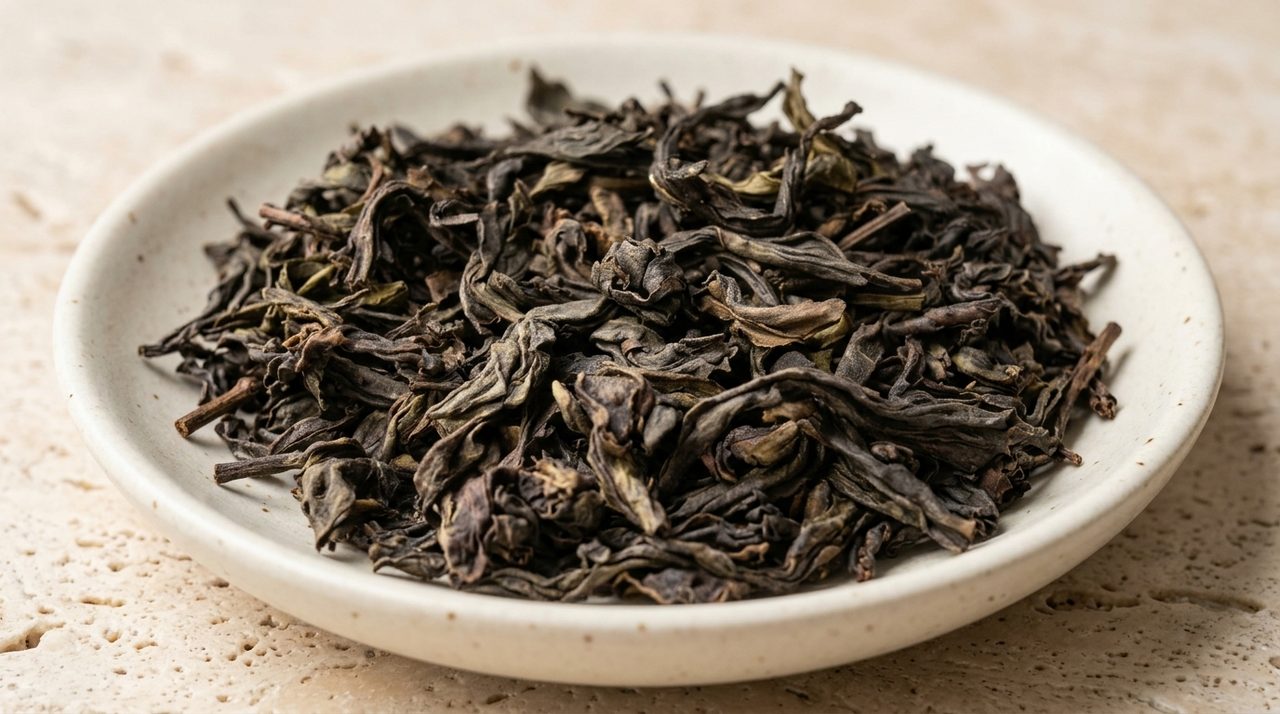
Slow-baked three times over fruitwood charcoal from Mount Wuyi's weathered Danxia sandstone crevices.

Harvested from 60-to-100-year moss-draped Wuyi trees — thick bamboo-leaf silk steeped in ancient lichen stillness.

The historic heritage style of Anxi Tieguanyin — tightly rolled beads baked slowly over fruitwood embers into caramelized plum warmth.
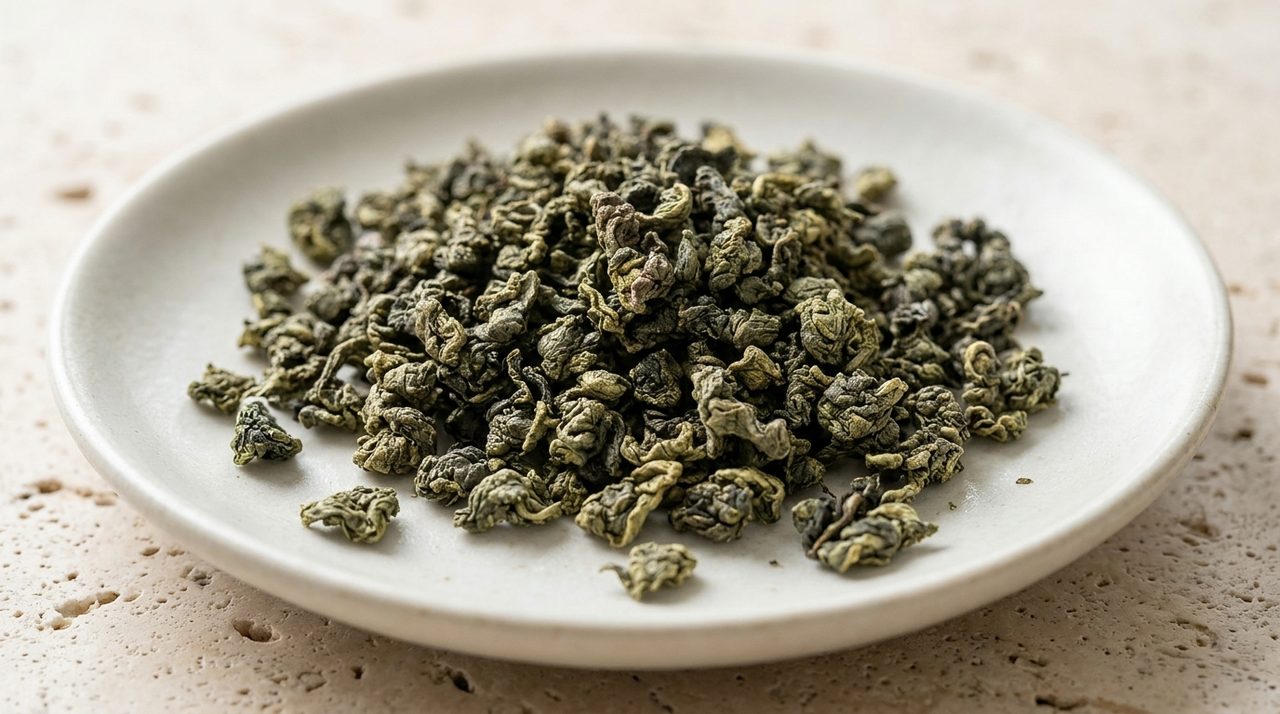
Tightly rolled high-mountain jade pearls exploding in boiling water into piercing autumn orchid and mineral chill.