
“One silver bud embraced by two emerald wings — uniting Silver Needle elegance with full leafy orchard sweetness.”
Fuding Bai Mudan
Also known as: White Peony Tea · Pai Mu Tan · Mudan Wang (Peony King)
Named for the way two grey-green young leaves cradle a plump silvery bud like petals opening around a white peony blossom, Bai Mudan strikes the golden balance of white tea. It pairs the silky downy sweetness of Silver Needle with the rich floral fragrance, apricot nectar body, and remarkable aging transformation of mature tea leaves.
- Alpine Terroir
- Guanyang Alpine Ridge · Mount Taimu Foothills
- Elevation & Soil
- 500–850m granite ridges
- Cultivar
- Fuding Dabai & Fuding Dahao
- Harvest Window
- Early – Mid April (Qingming One Bud Two Leaves)
Dry Leaf · Infused Liquor · Spent Wet Leaf
State I · Dry Leaf
Morphology & Luster
Silvery central buds flanked by natural unfolded grey-green leaves showing frosty undersides.
Form: 1 plump bud with 1–2 intact leaves, natural airy silhouette
Luster: Silver-white buds contrasting deep jade-grey upper leaf surfaces
State II · Tea Liquor
Warm Apricot Gold
Clear luminous pale-gold apricot broth with velvety mouthfeel.
Clarity: Bright and crystalline
State III · Wet Leaf
Unfurled Foliage
Unfurled spring twigs glowing emerald-jade with soft, downy central buds.
Hue: Fresh tender olive-jade
Elasticity: Soft, plush, and intact
How Fuding Bai Mudan Is Crafted
Harvested right after Silver Needle season when buds open their first pair of downy wings.
- 1. Qingming PluckingEarly April · 1 Bud 1-2 Leaves
Harvested right after Silver Needle season when buds open their first pair of downy wings.
- 2. Sun & Breeze Withering48–72 Hours · Natural Air
Zero rolling preserves leaf integrity while gentle sun-withering unlocks peony floral terpenes.
- 3. Slow Moisture Finishing45–50°C · Low Dry
Stabilizes moisture below 7% for crisp fresh drinking or multi-year cellaring.
Precision Brewing Parameters
Rinse Protocol: Optional 3s quick swirl
Steep Timing: Steep 1: 12s → Steep 2: 18s → Steep 3: 25s → Steep 4–8: +15s
Sommelier Note: Hotter water (90–95°C) unlocks richer peony floral oil from the accompanying leaves.
Harvest Grade Benchmark Matrix
Objective sensory indicators distinguishing authentic high-mountain core reserves from standard and commercial-grade harvests.
Mudan Wang (Special Grade Peony King)
★★★★★ Reserve- Dry Shape
- Fat silver bud with 1–2 tiny tender leaves, dense white fuzz
- Leaf Color
- Silvery-white buds + fresh grey-jade leaves
- Liquor
- Bright golden-apricot, thick silky coat
- Aroma
- Intense white peony blossom, sweet almond, ripe apricot
- Palate
- Lush, mellow, deeply sweet with floral throat lift
- Wet Leaf
- Intact plump tender shoots, vivid soft green
First Grade Bai Mudan
★★★★☆ Classic- Dry Shape
- Visible downy buds with open medium leaves
- Leaf Color
- Grey-green with silvery underside
- Liquor
- Clear warm yellow-gold
- Aroma
- Fresh wildflower honey and sweet hay
- Palate
- Smooth, rounded, refreshing sweetness
- Wet Leaf
- Soft intact 1-bud-2-leaf twigs
Commercial Broken Peony
★★☆☆☆ Everyday- Dry Shape
- Large coarse leaves, sparse buds, fragmented stems
- Leaf Color
- Mixed brownish-olive and dark green
- Liquor
- Amber-yellow, thinner
- Aroma
- Muted dry leaf scent
- Palate
- Light body, mild dryness
- Wet Leaf
- Coarse torn leaves
Storage Climate & Aging Horizon
Aging Potential: Superb — ages faster and richer than Silver Needle, developing honeycomb, dried peach, and herbal cedar depth within 3–5 years. (GB/T 30375)
- Store dry at ambient temperature — never refrigerate.
- Pressing into cakes or keeping tightly sealed protects loose delicate leaves from crumbling.
Oxidation, Tea Nature & Occasion Fit
- Gentle and low in astringency; fresh spring harvests are slightly cooling if drunk in large quantities on an empty stomach.
Editorial & traditional culinary notes for contemplative tea appreciation only — not a medical claim or therapeutic cure.
Authentic Market Price Benchmarks (USD / 50g)
Early April bud-dominant mountain lot
Fuding Mudan Wang (Peony King)
$40 – $82
Authenticity Check: Look for plump visible buds and bright silvery undersides — liquor stays fragrant across 8+ steeps.
Mid-April Fuding hills
First Grade Bai Mudan
$22 – $38
Authenticity Check: The highest value-to-complexity ratio across all white teas.
Late spring mechanical dry
Bulk Everyday Bai Mudan
$10 – $18
Authenticity Check: Larger open leaves with softer floral depth.
Common Questions on Fuding Bai Mudan
Should beginners choose Bai Mudan or Silver Needle?
Many seasoned tea drinkers actually prefer Bai Mudan (especially Mudan Wang) because the two accompanying leaves contribute vibrant floral aromatics and fuller broth viscosity alongside the sweet bud.
Does Bai Mudan improve with age?
Yes — after 3 to 7 years of dry sealed storage, its fresh spring peony aroma transforms into rich honeycomb, dried date, and soothing herbal warmth.
What water temperature works best for Bai Mudan?
90–95°C (194–203°F) is ideal for fresh Bai Mudan, while 3+ year aged Bai Mudan shines at full 100°C boil.
Experience Authentic Alpine Provenance
Taste Fuding Bai Mudan Inside Chamber II · Unoffered
SpiritDew sources small-batch single-origin whole leaves directly from China's alpine wilderness sanctuaries. Reserve this chamber individually or experience all nine sovereign categories in our numbered Tasting Flight.
Related Compendium Dossiers
View All 37 Teas →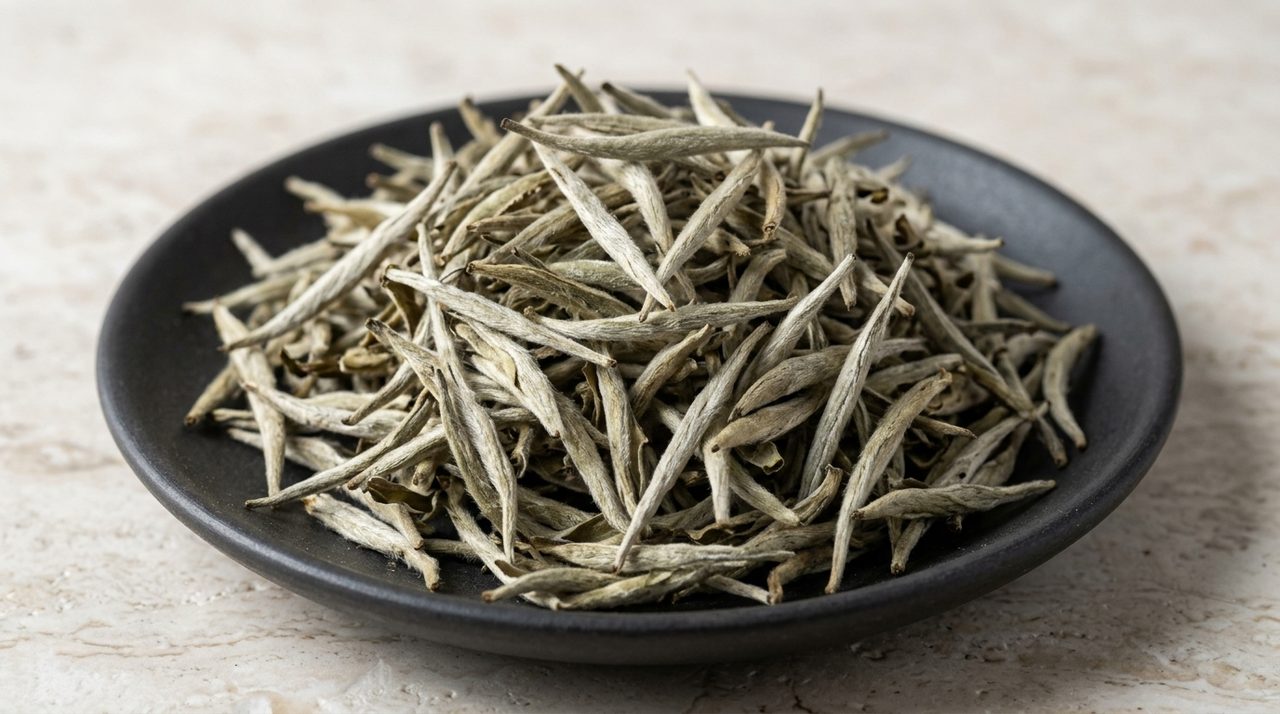
Plump spring buds dried purely under coastal mountain sun — zero pan-firing, zero rolling, pure silver down.

Wild-rooted heirloom bush white tea offering forest-leaf richness, candied date warmth, and deep cellar potential.

Eight unhurried years of dry cellaring dissolve youthful briskness into jujube compote, herbal incense, and steamed cedar.
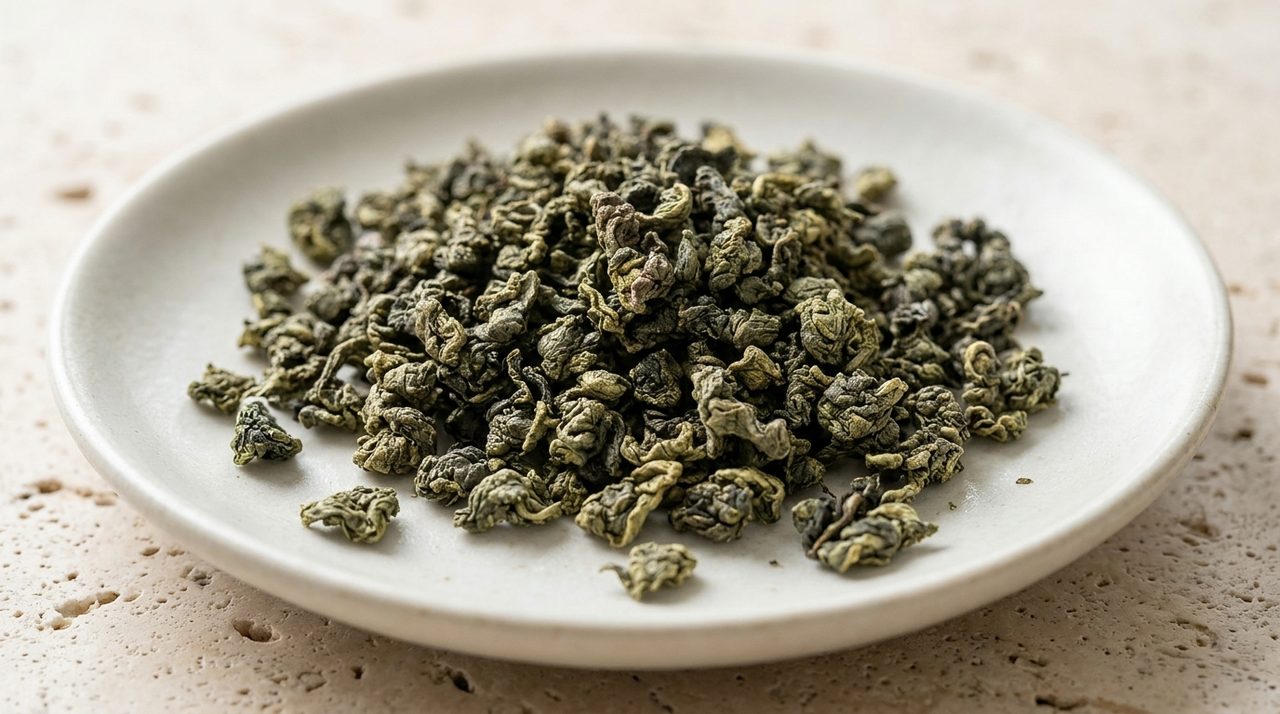
Tightly rolled high-mountain jade pearls exploding in boiling water into piercing autumn orchid and mineral chill.