A Beginner's Guide to Gongfu Cha: How Five Grams of Whole Leaf Can Slow Down Time
Forget rigid performance. Here is how to brew loose Chinese tea with presence, curiosity, and thermal precision.
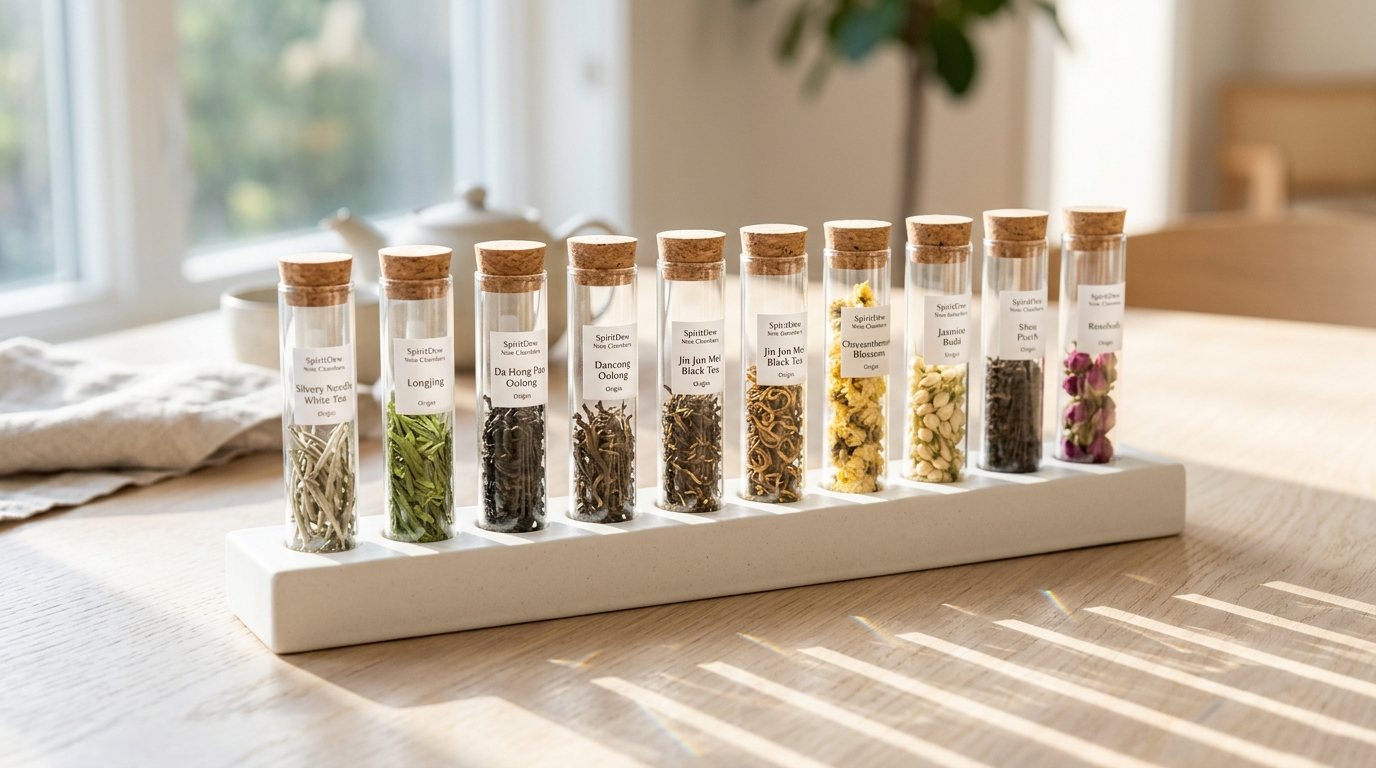
Terroir & Geographical Origin
SpiritDew Hearth Sanctuary · Global Gongfu Archive
Gongfu Cha is a classical Chinese method of brewing loose-leaf tea focused on ratio precision: a high proportion of leaf (5-8g) to a small volume of water (100-150ml) paired with short sequential infusions (10-30 seconds). It unveils multi-layered aromatic transitions unattainable in standard mug steeping.
Drowning vs. Conversing
Most Western tea drinkers grew up with a single brewing model: drop a bleached bag or a ball of broken leaf into a massive mug, pour water, forget about it for five minutes, and drink a bitter, lukewarm brew.
This is not drinking tea; it is drowning it. By treating the leaf as a uniform commodity, we miss ninety percent of what the plant has to offer.
Gongfu Cha—literally 'making tea with skill and dedication'—reverses the equation entirely. Instead of a large mug and a long wait, we use a small vessel (typically a 100ml to 150ml gaiwan), a generous leaf dose (5 to 8 grams), and very short infusions lasting only ten to twenty seconds.
“Gongfu brewing is not about ceremony. It is about proportion: small water, abundant leaf, rapid pour.”
The Three Essential Vessels
You do not need an imperial altar to begin. Three simple utensils are all that stand between you and an exquisite infusion:
1. The Gaiwan (Lidded Bowl): A three-piece porcelain cup with a saucer and lid. Porcelain is chemically neutral, meaning it reveals the exact character of the leaf without masking or altering aromatics.
2. The Cha Hai (Fairness Cup): A small glass or ceramic pitcher. When you pour tea directly into cups, the first sip is weak and the last is intense. Decanting into the fair cup first homogenizes the liquor so every cup shares identical balance.
3. The Tasting Cups: Small, thin-lipped ceramic cups holding 30ml to 50ml. A smaller vessel invites you to drink in two or three attentive sips while the liquid remains at its thermal peak.
The Journey of Ten Infusions
The greatest magic of Gongfu brewing is sequential discovery. A premium artisan whole leaf does not surrender its secret all at once.
The first steep awakens the leaf, releasing high, volatile floral perfume. The second and third infusions penetrate the cellular heart of the leaf, delivering body, broth, and mineral depth. By the fifth and sixth steeps, the initial intensity recedes, revealing deep structural sweetness that lingered beneath the surface.
Sitting with ten infusions of a single tea takes twenty minutes. In those twenty minutes, your attention has naturally anchored itself into the steam, the color of the liquor, and the tactile warmth of porcelain. Without a single word of doctrine, the world has slowed down.
Inquiries & Curatorial Clarifications
What equipment do I actually need to start Gongfu tea?
A standard 110ml porcelain gaiwan, a small fairness pitcher (Cha Hai), and two small tasting cups. Avoid complicated gadgetry; porcelain allows pure aromatic clarity.
Why are Gongfu tea cups so small?
Small 30-50ml cups allow each infusion to be savored in two or three attentive sips while the tea remains at its optimal thermal spectrum, preventing cooling and stewing.
Experience The Sovereign Cultivars
This artisanal whole-leaf harvest is preserved in The Nine Chambers Tasting Flight. Available as a dedicated single harvest or as part of The Nine Chambers Tasting Flight.
Further Inquiries in the 2026 Archive
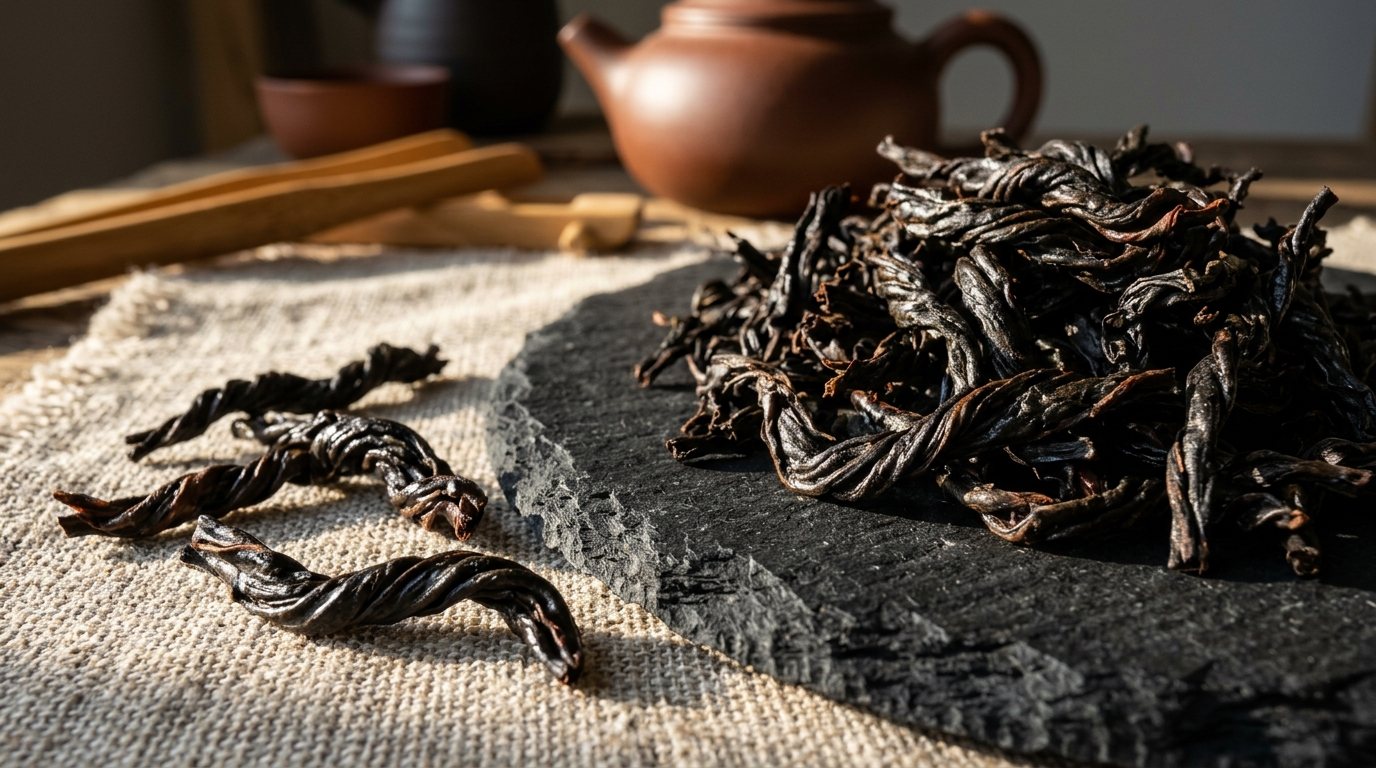
The Architecture of Stillness: Why the Leaf Needs Fire to Rest
A meditation on Wuyi cliff oolong, the ancient discipline of slow fruitwood charcoal roasting, ...
The Craft of Leaf & Mind · 6 min read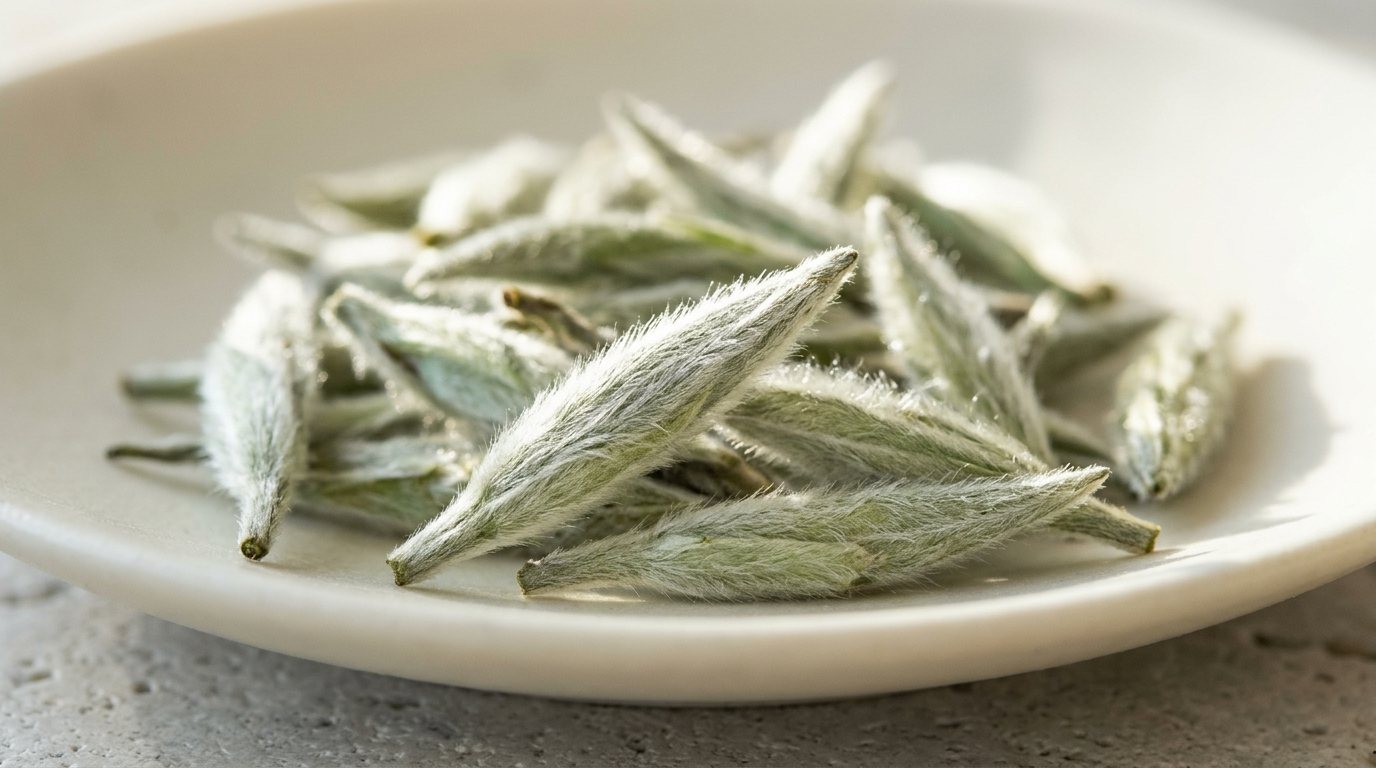
The Art of Non-Intervention: What Silver Needle Teaches Us About Doing Less
White tea undergoes no rolling, no panning, and no shaping. An inquiry into Fuding Baihao Yinzh...
Terroir & Antiquity · 7 min read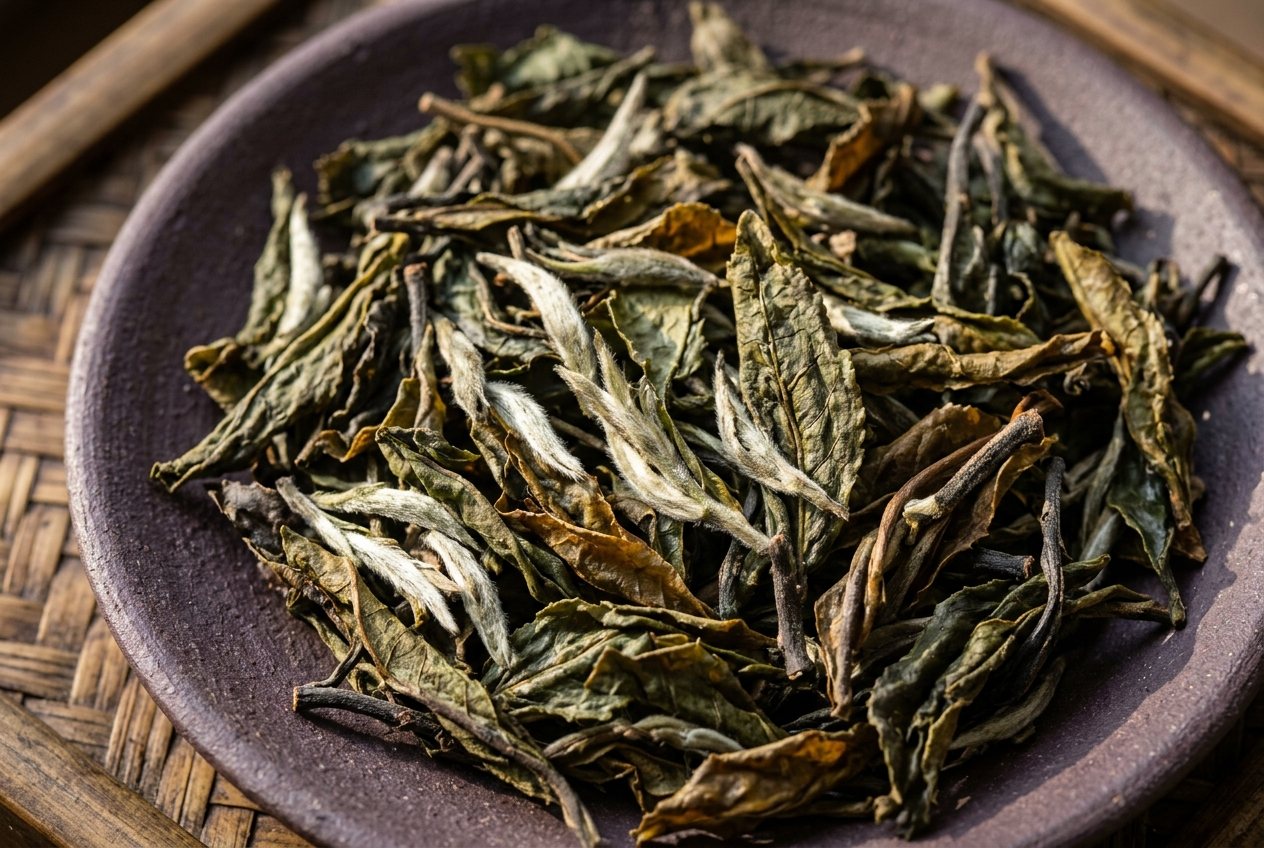
The Living Ferment: Ancient Trees, Slow Microbes, and Deep Time
In the mist-drenched primeval forests of Yunnan, ancient tea trees have watched dynasties rise ...