Steam Blanching and Pine Needles: The Living Tang Dynasty Heritage of Enshi Yulu
In the selenium-rich soils of Hubei: how high-pressure steam preserves twelve centuries of Tang green tea.
Terroir & Geographical Origin
Bajiao Dong Ethnic Township, Enshi Autonomous Prefecture · Hubei Province, China
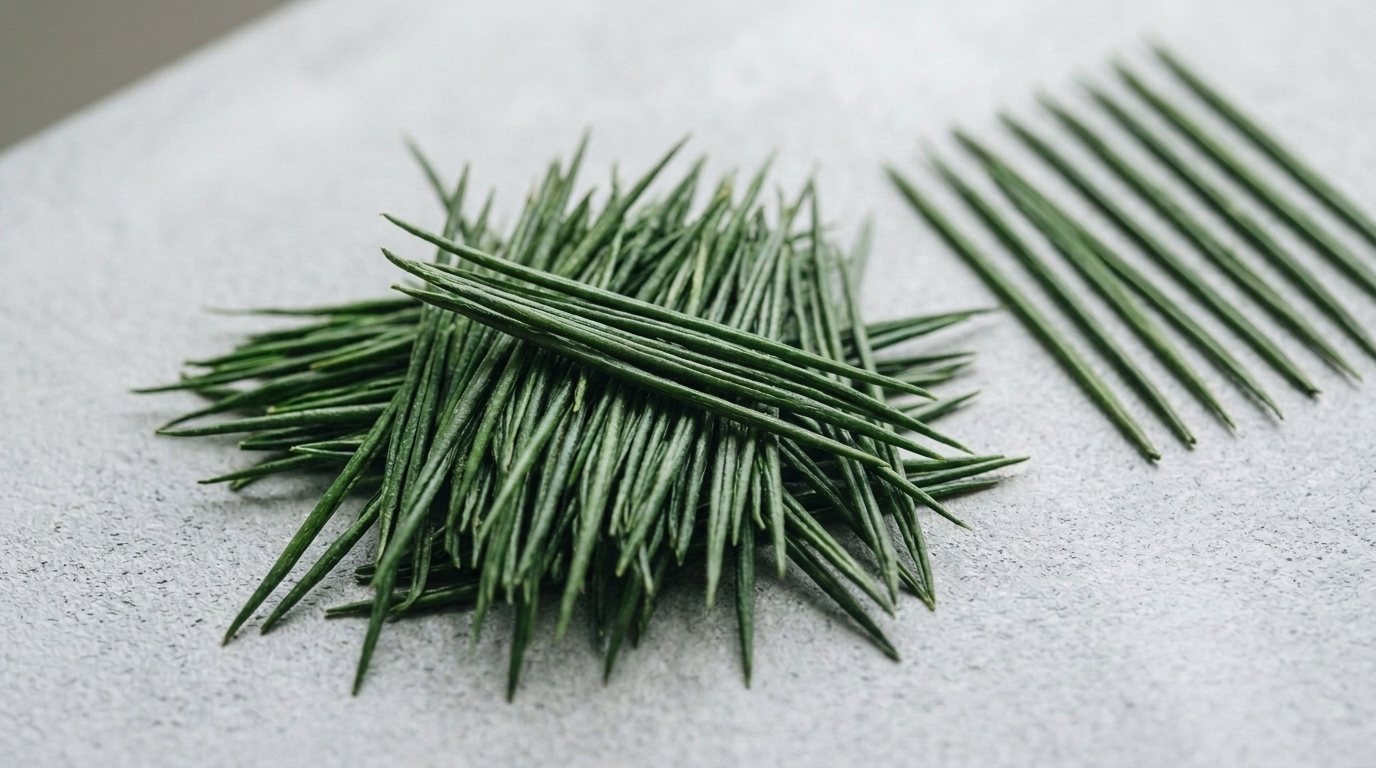
Enshi Yulu is China's foremost surviving traditional steamed green tea (Zheng Qing), originating in the Tang Dynasty and preserved in the selenium-rich karst mountains of Hubei. Fixed with pure high-temperature steam rather than iron woks, its straight pine-needle-shaped leaves brew a brilliant jade-green broth marked by sweet nori, morning grass, and a pristine savory umami finish.
The Surviving Relic of the Tang
In the eighth century, when Lu Yu wrote the *Cha Jing* (The Classic of Tea), the standard method for curing camellia leaves across the Tang Empire was steaming: freshly harvested shoots were exposed to roaring steam kettles, pounded into cakes, and dried.
During the Ming Dynasty in 1391, the Hongwu Emperor abolished pressed tea cakes in favor of loose whole leaves, leading to the near-universal adoption of dry iron-wok pan-frying (Chao Qing). Steam fixation virtually disappeared from mainland China.
Yet deep in the remote, mist-shrouded karst ravines of Enshi in southwestern Hubei, the ancient steaming lineage survived intact. Enshi Yulu ('Jade Dew of Enshi') remains China's sole living monument to Tang Dynasty steam craft.
“Enshi Yulu remains China's sole living monument to Tang Dynasty steam craft.”
Straight as Pine Needles
Steam blanching halts oxidation within fifteen seconds without scorching the leaf. This hyper-rapid enzyme deactivation locks in native chlorophyll, producing leaves of astonishing emerald luminescence.
What follows is 'Tiao Zhi'—the needle-rolling discipline. Artisans repeatedly roll the soft steamed shoots across heated wooden surfaces using specialized palm strokes, compressing each leaf into a straight, razor-sharp needle barely one millimeter in diameter.
When steeped in clear glass, the needles sink slowly to the bottom like jade javelins. The liquor is not pale yellow, but translucent spring celadon, releasing an intoxicating fragrance of marine sea nori, fresh bamboo shoots, and steamed tender greens.
Chamber IX: Awakening from the Numb
In SpiritDew's Nine Chambers, Enshi Yulu presides over Chamber IX: Unnumbed. The ninth passion is that of psychological inertia—numbing oneself with routine, daydreaming, or passive compliance to avoid the discomfort of direct reality.
Enshi Yulu is the antithesis of numbness. Grown in soils naturally laden with organic selenium, the tea strikes the palate with startling clarity. The savory amino broth triggers immediate salivation along the margins of the tongue, rousing drowsy senses into razor-sharp lucidity.
Drink it when your mind feels sluggish or disconnected. It does not shock the body with harsh caffeine; it gently peels away the layers of lethargy until you are fully awake to the hour.
“It does not shock with harsh caffeine; it gently peels away lethargy until you are fully awake.”
Inquiries & Curatorial Clarifications
How does steamed green tea differ from pan-fried green tea?
Steam fixation inactivates polyphenol oxidases in seconds with zero scorching, preserving 90% of native chlorophyll, L-theanine, and vitamin C, resulting in a greener leaf and vegetal, marine umami notes without nutty wok char.
Why is Enshi Yulu shaped like pine needles?
During traditional manual processing, artisans roll the damp steamed leaves over bamboo tables using rhythmic directional palms ('Cuotiao'), tightening the fibers into straight, ultra-slender pine needles that sink vertically in water.
Sensory Spectrum & Extraction Curve
Steamed jade needles: selenium-rich dew, sweet ocean spray, and forest canopy mist.
Tasting Signature: Tender Bamboo Sprout
Crisp, clean sweetness that revitalizes the senses.
Experience Enshi Yulu Steamed Green
This artisanal whole-leaf harvest is preserved in Chamber IX · The High Meadow. Available as a dedicated single harvest or as part of The Nine Chambers Tasting Flight.
Further Inquiries in the 2026 Archive
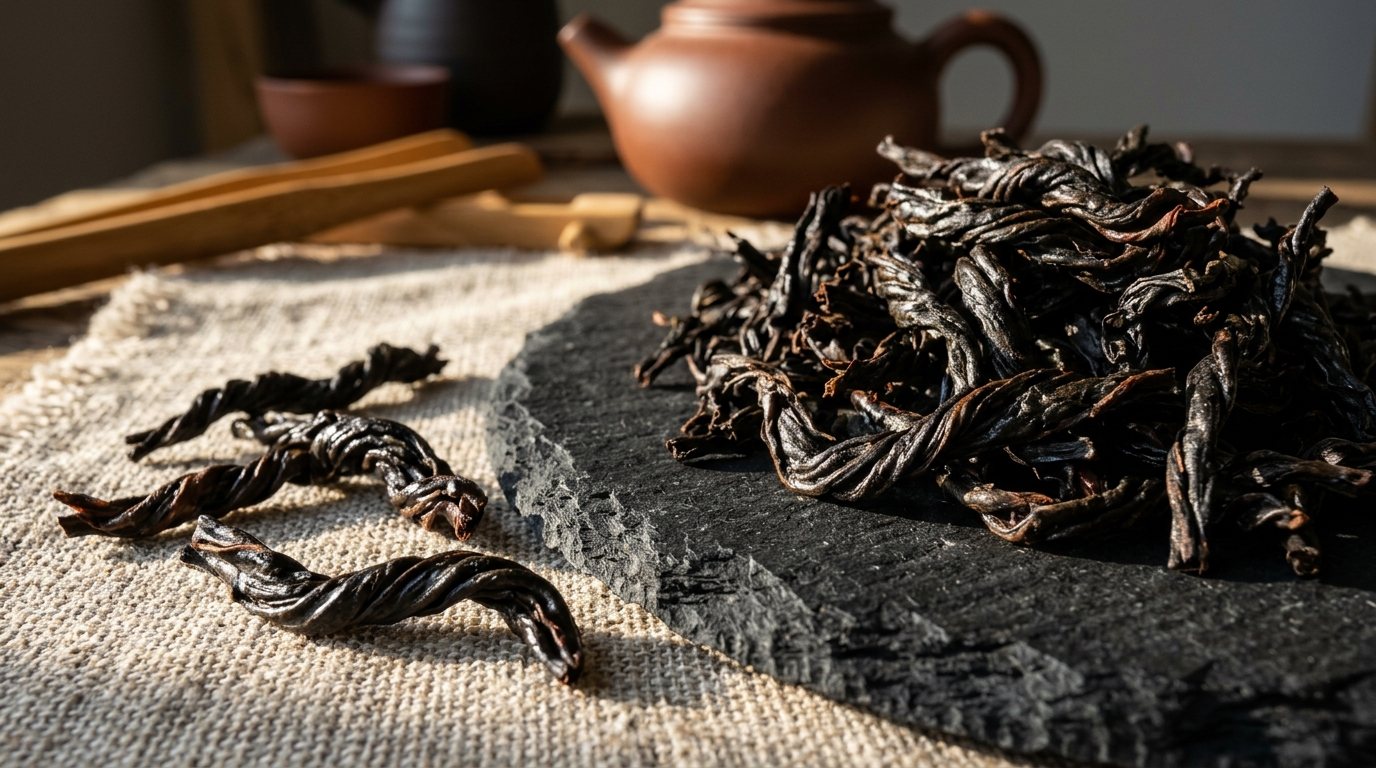
The Architecture of Stillness: Why the Leaf Needs Fire to Rest
A meditation on Wuyi cliff oolong, the ancient discipline of slow fruitwood charcoal roasting, ...
The Craft of Leaf & Mind · 6 min read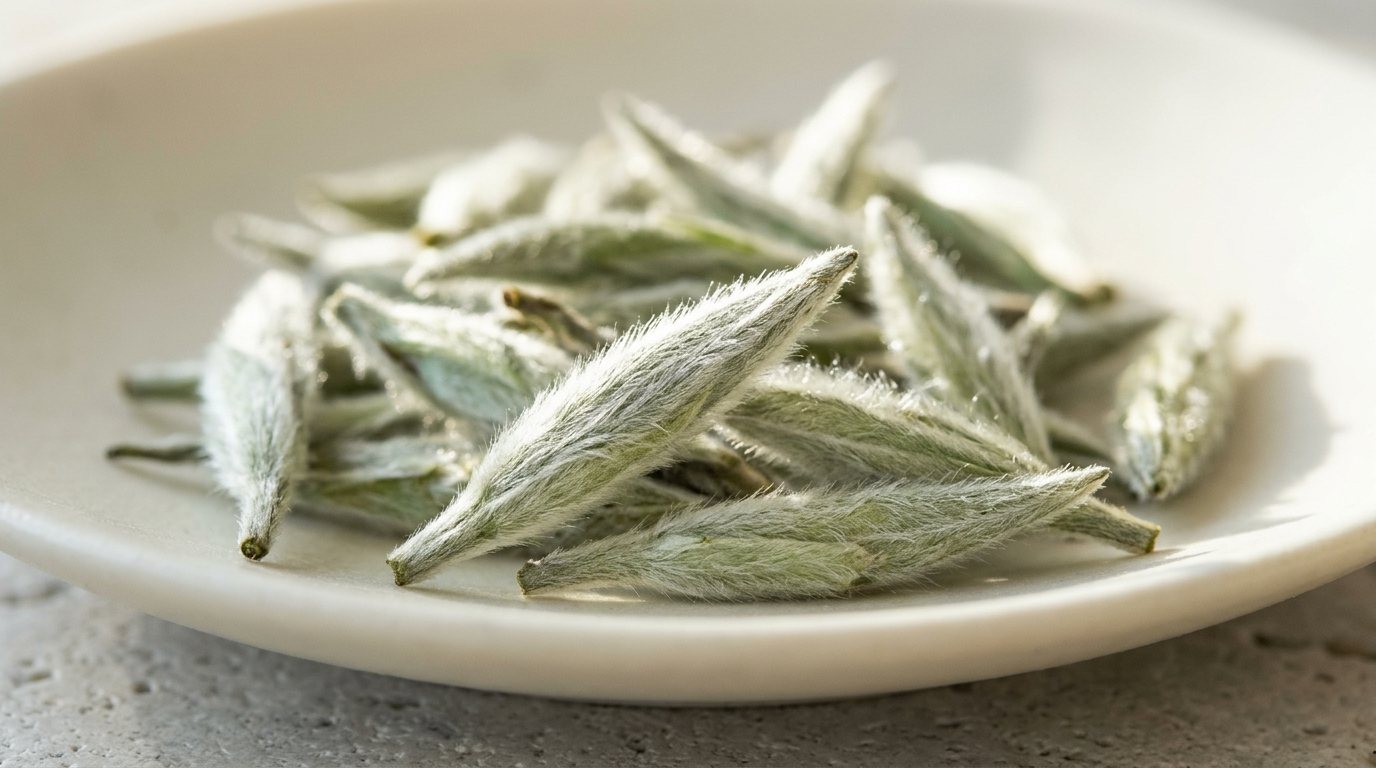
The Art of Non-Intervention: What Silver Needle Teaches Us About Doing Less
White tea undergoes no rolling, no panning, and no shaping. An inquiry into Fuding Baihao Yinzh...
Brewing & Ritual · 8 min read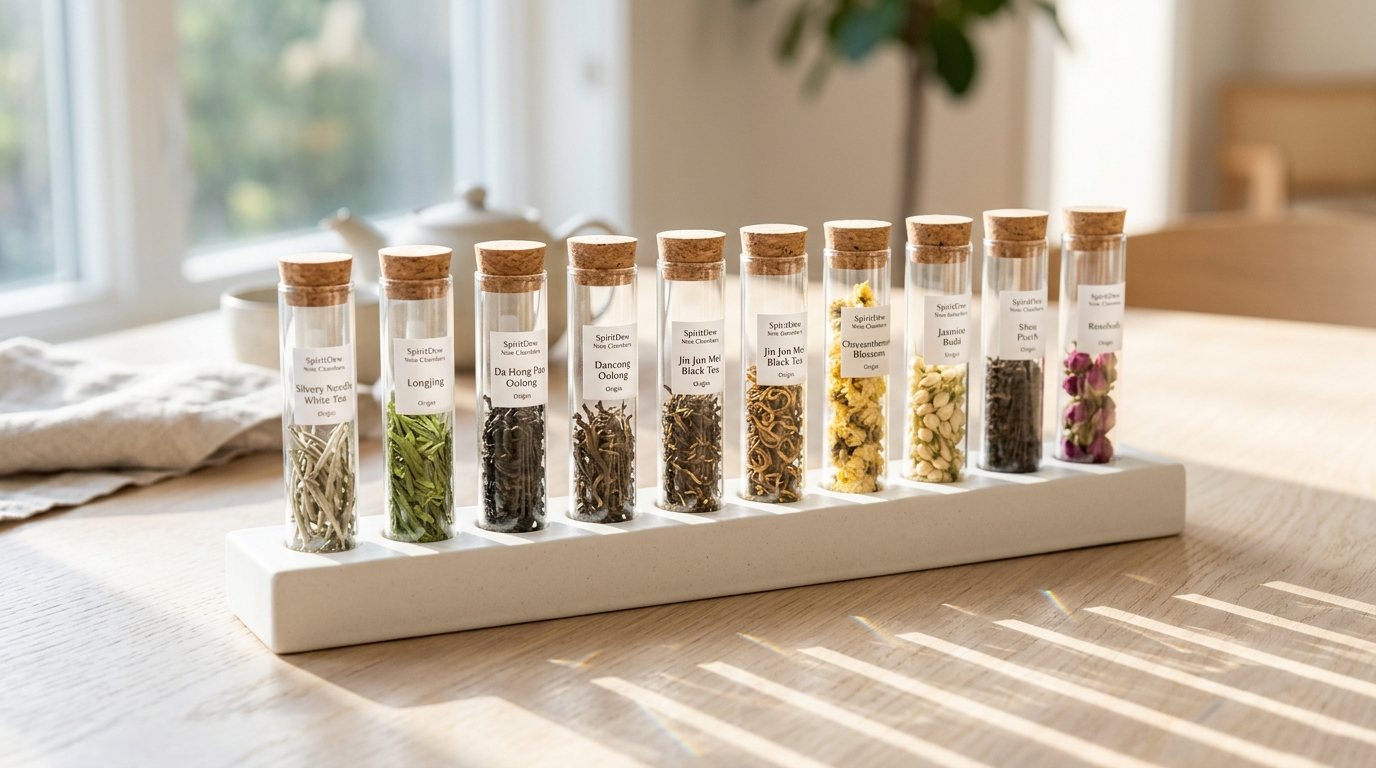
A Beginner's Guide to Gongfu Cha: How Five Grams of Whole Leaf Can Slow Down Time
A demystified, practical guide to Gongfu tea brewing. Why porcelain vessels matter, why boiling...