The Sunken Basket of Guangxi: Vintage Wuzhou Liubao and the Humid Cellar
Bamboo baskets, subterranean caves, and the cooling betel-nut tranquility of aged dark tea.
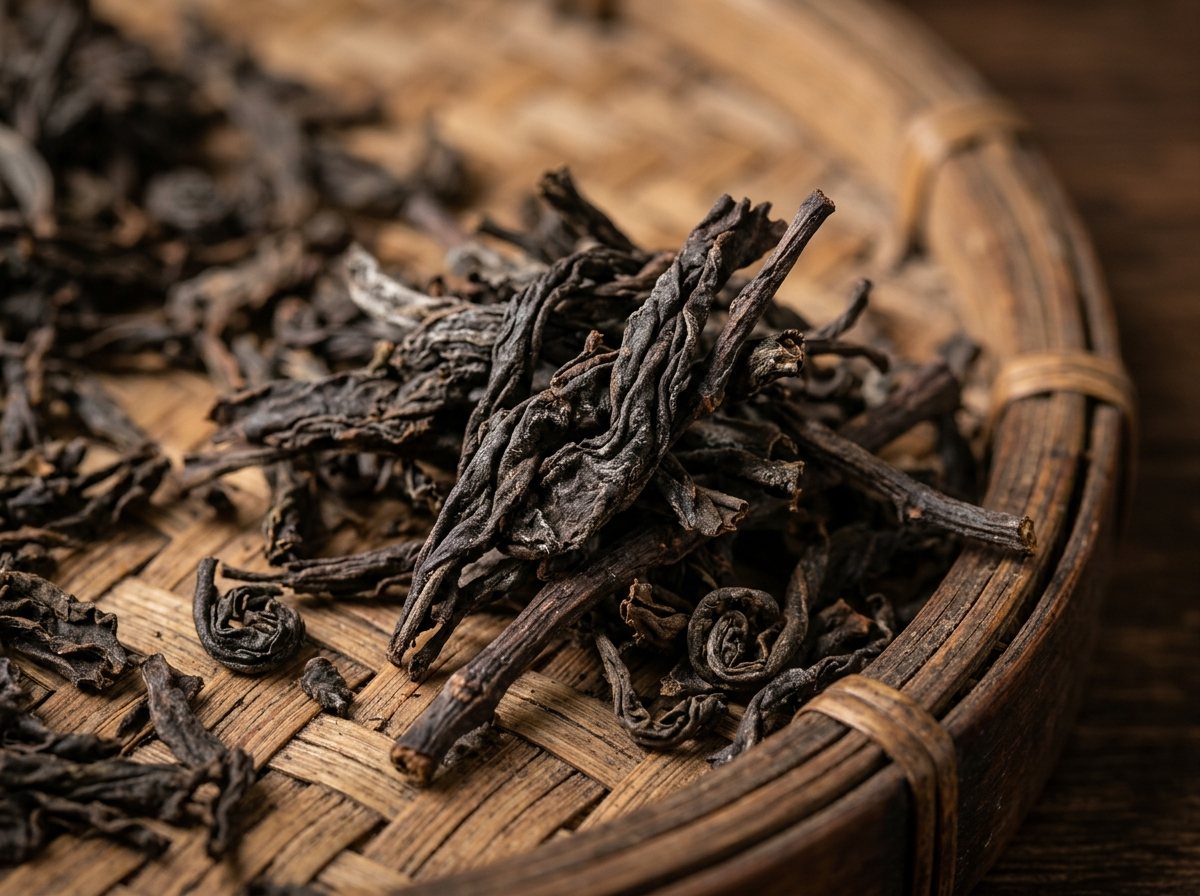
Terroir & Geographical Origin
Liubao Town, Cangwu County, Wuzhou · Guangxi Zhuang Autonomous Region, China
Wuzhou Liubao is a historical post-fermented dark tea (Hei Cha) from Guangxi, packed into giant woven bamboo baskets and matured in subterranean cellars. Revered across Southeast Asia for its cooling, dampness-dispelling properties, it brews a brilliant translucent ruby-black liquor characterized by its signature 'Bin Lang Xiang' (betel nut and aged timber) aroma with zero astringency.
The Maritime Tea Road
While Yunnan Puerh traveled the overland caravan trails of the high Himalayas, Guangxi Liubao was the tea of the sea. From the river docks of Wuzhou, fleets of sampans navigated the Pearl River down to Guangzhou and Hong Kong, where giant fifty-kilogram bamboo baskets were loaded onto merchant steamers bound for Nanyang—Malaysia, Singapore, and Indonesia.
In the sweltering, malarial tin mines of Perak and Selangor, Chinese laborers relied on barrels of boiled Liubao tea. It was not a luxury; it was a lifesaver. Traditional medicine understood that Liubao cleared internal damp heat, cooled the liver, and protected the digestive system from contaminated water.
“In the sweltering tin mines of Southeast Asia, boiled Liubao tea was not a luxury; it was a lifesaver.”
The Subterranean Cellar
The soul of Liubao is forged in caves. After initial wet-pile fermentation, the coarse blackish-brown leaves are steamed, pressed tightly into enormous baskets woven from local moso bamboo, and placed inside subterranean limestone vaults.
In these naturally cooled chambers, the temperature remains fifteen degrees Celsius year-round with ninety percent humidity. The bamboo allows the tea to breathe while wild microbial flora—Penicillium, Aspergillus, and beneficial yeasts—permeate the basket.
Across ten, fifteen, twenty years, the leaves darken to deep ebony. The bamboo's tannins infuse into the outer layers, synthesizing into the celebrated 'Bin Lang Xiang'—an intoxicating aged fragrance of betel nut, temple incense, and damp river forest.
Chamber V: Releasing the Burden
Liubao belongs to Chamber V: Unwithheld. Poured into a white cup, the liquor is clear, oily, and radiant ruby-red. Unlike young teas that agitate the nervous system, vintage Liubao enters the body with immense warmth, followed by a profound cooling release at the crown of the head.
It teaches the virtue of letting go. The leaves lay in subterranean darkness for twenty years, forgotten by the bustle of the world. They did not strive; they simply surrendered to the cave. And in that surrender, they became pure medicine.
“They did not strive; they surrendered to the dark. And in that surrender, they became pure medicine.”
Inquiries & Curatorial Clarifications
Why was Liubao tea so popular among tin miners in Southeast Asia?
During the 19th and 20th centuries, Chinese tin miners in Malaysia and Indonesia drank hot Liubao tea daily because traditional medicine recognized its extraordinary efficacy in clearing tropical damp heat, soothing digestive strain, and quenching deep thirst.
What is Bin Lang Xiang in aged Liubao tea?
Bin Lang Xiang (Betel Nut Fragrance) is a distinctive aged aromatic compound that develops after 5 to 10 years of cellar respiration inside bamboo baskets, combining aged woody incense, warm medicinal roots, and a cooling sensation in the throat.
Sensory Spectrum & Extraction Curve
Deep ancient tree roots whispering through cedar smoke, dried date, and petrichor.
Tasting Signature: Dark Jujube Honey
Rich, resonant throat sweetness that persists for hours.
Experience Wuzhou Liubao Aged Basket Tea
This artisanal whole-leaf harvest is preserved in Chamber V · The Present Hour. Available as a dedicated single harvest or as part of The Nine Chambers Tasting Flight.
Further Inquiries in the 2026 Archive
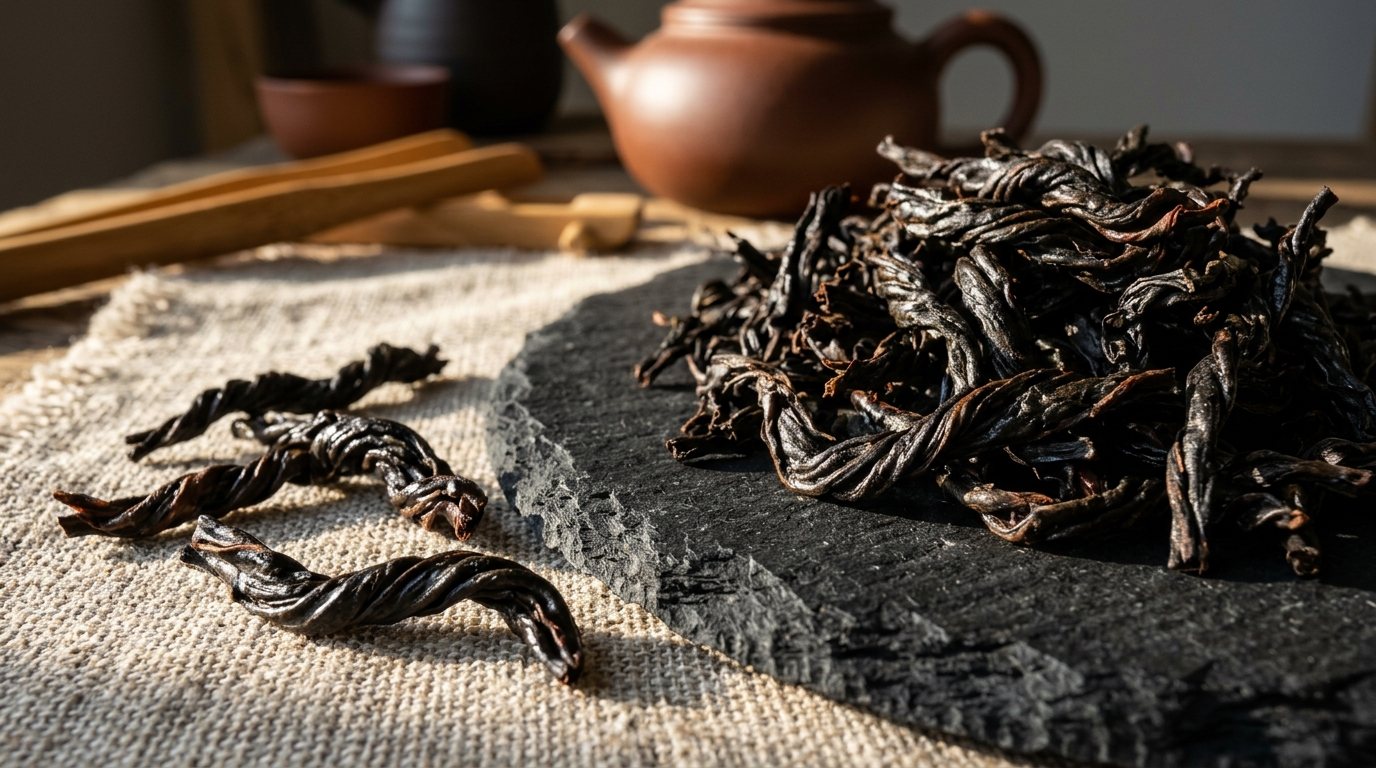
The Architecture of Stillness: Why the Leaf Needs Fire to Rest
A meditation on Wuyi cliff oolong, the ancient discipline of slow fruitwood charcoal roasting, ...
The Craft of Leaf & Mind · 6 min read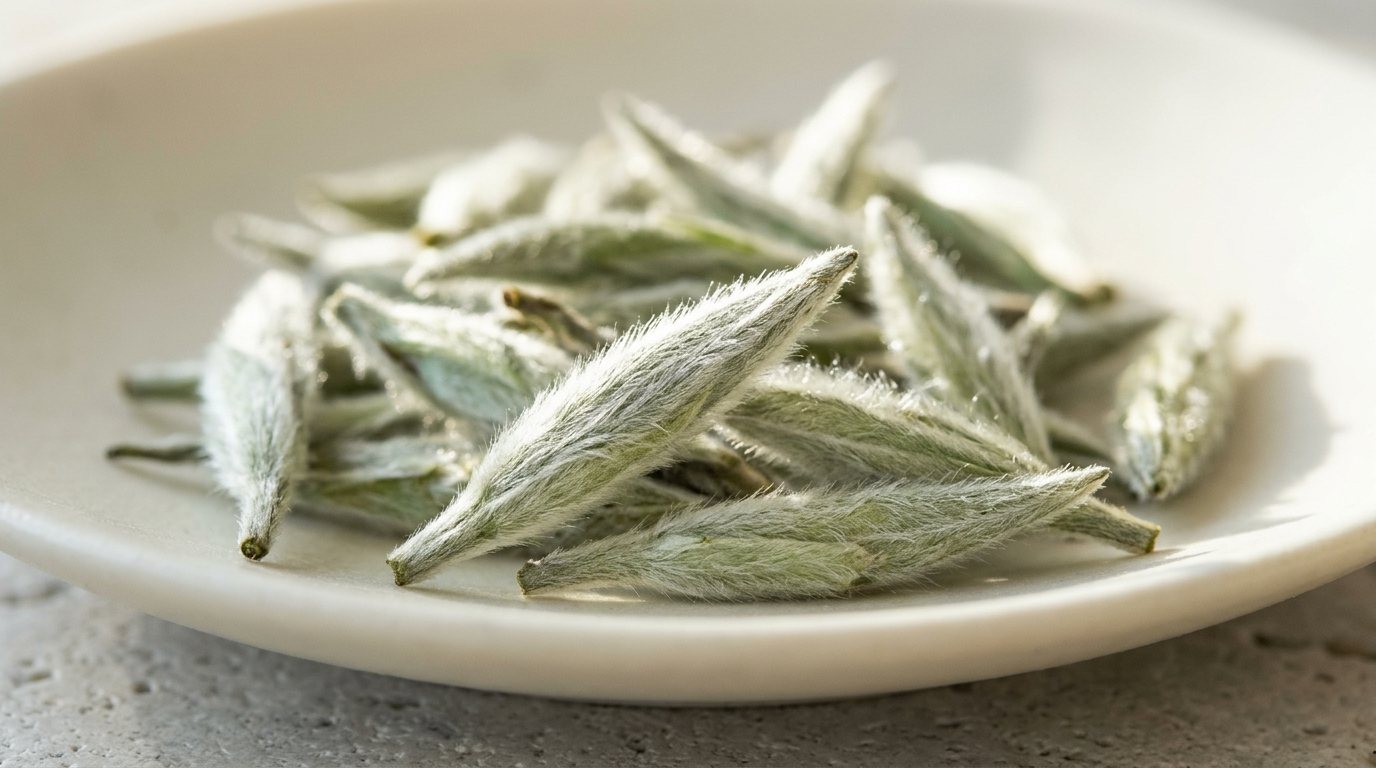
The Art of Non-Intervention: What Silver Needle Teaches Us About Doing Less
White tea undergoes no rolling, no panning, and no shaping. An inquiry into Fuding Baihao Yinzh...
Brewing & Ritual · 8 min read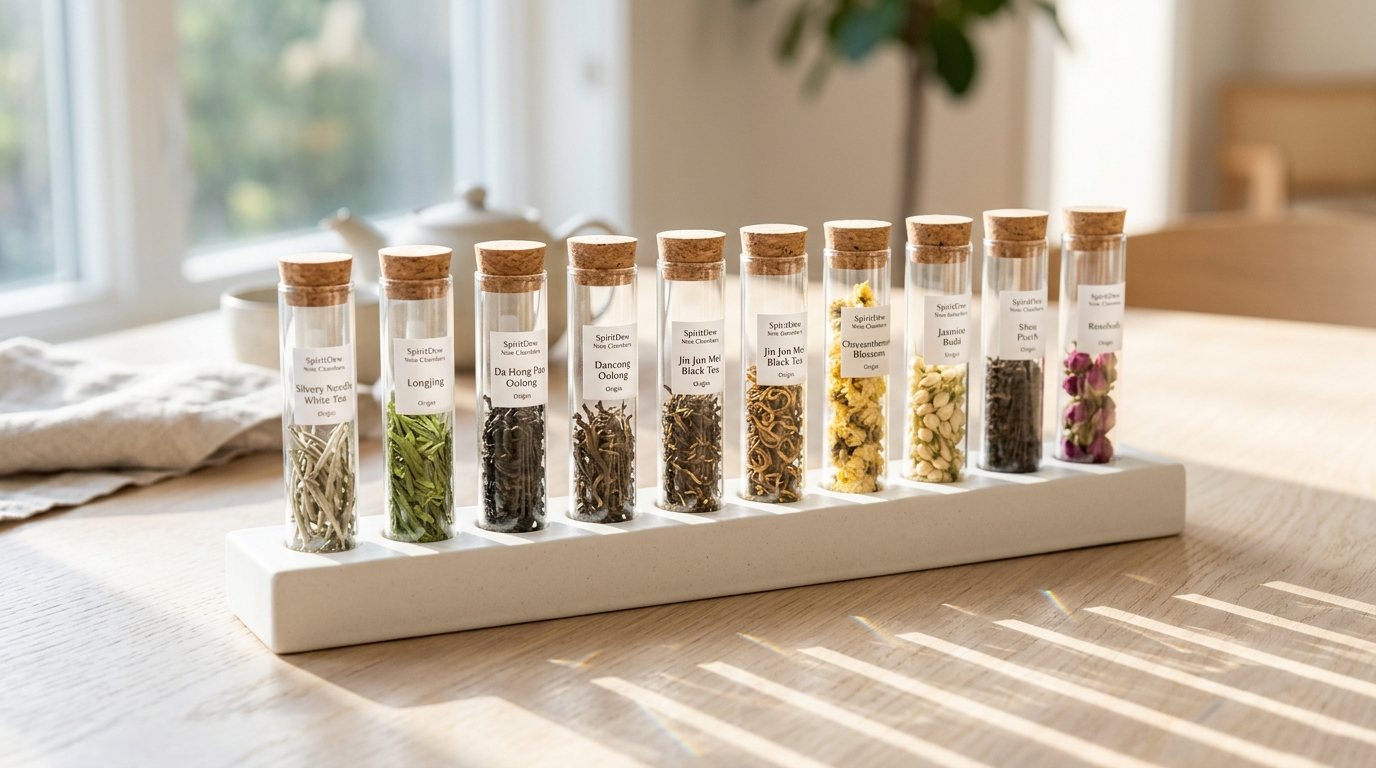
A Beginner's Guide to Gongfu Cha: How Five Grams of Whole Leaf Can Slow Down Time
A demystified, practical guide to Gongfu tea brewing. Why porcelain vessels matter, why boiling...